Looking for a home addition contractor in Southwest Virginia? GB Contracting will walk you through the planning, permitting, and process of a successful home addition. August is when families who struggled through a cramped summer finally pull the trigger on adding space, and we love to help them do it.
Everyone deserves a home that they love. For some, this may mean moving or building a brand new home – but sometimes, it means enhancing your current home. Building an addition is a huge commitment, as additions have a large impact on the way you live your life in your home, so if you’re looking to build a home addition in Roanoke VA, we’re your hometown team!
The Process: What To Expect When Building An Addition
There are two very important aspects when it comes to adding a room to a house in Virginia: the chaos and the team.
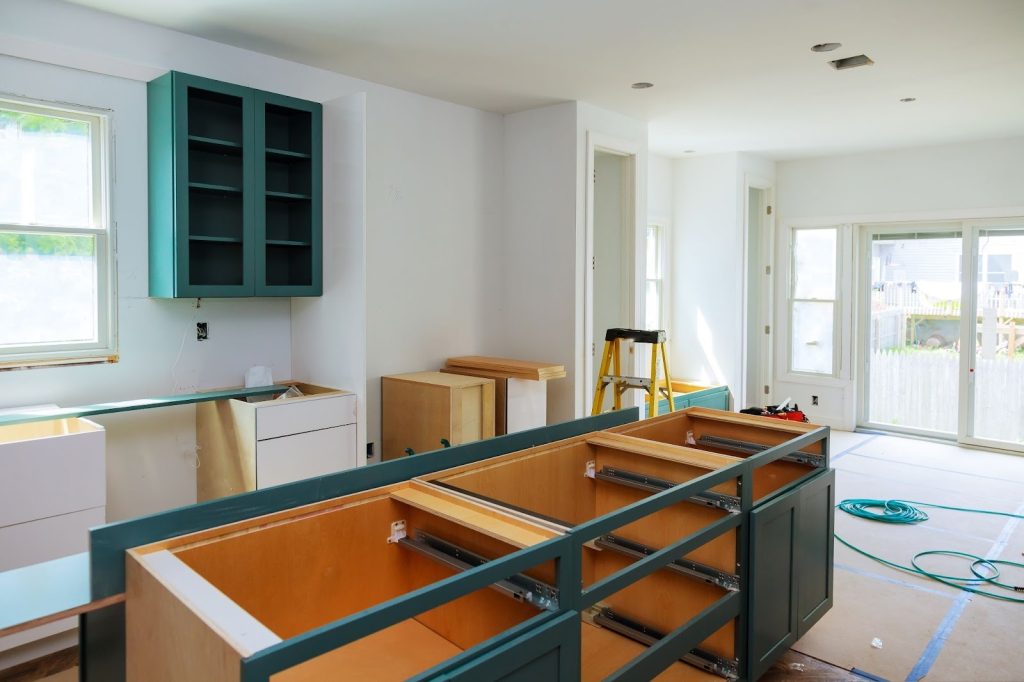
The Chaos: There is no way to sugarcoat it – the process of construction is messy. With any remodel, renovation, or addition project, things will get chaotic. Chances are that you’ll still be living in the home while your addition is being built, and that can mean dealing with all the noise, mess, and chaos of living in a construction zone. Therefore, it could be an interruption to your daily life.
To avoid some of the exasperation, be sure to stay informed throughout the entire building process. Have an understanding of exactly what will be going on when and where. Find out from your team exactly what you can expect to be dealing with.
The Team: You can help avoid some of the frustration of the Chaos by choosing a building team that you’ll love working with. The right team will help you plan far in advance and avoid many unexpected surprises. Building an addition follows much of the same process as building an entire home, which includes choosing all your materials and finishes well ahead of starting. The right building team can guide and advise you, so building your addition can be as stress-free as possible.
I’m Building: Planning Your Home Addition
Expanding your home with an addition is an exciting venture that can enhance your living space and accommodate your growing needs. However, the process requires careful planning and execution to ensure the project runs smoothly and ends successfully. To make sure that happens, follow these guidelines:
1. Define Your Goals
Start by clearly defining the purpose of your addition. Having a clear vision will guide your decisions throughout the project. Consider questions like:
- Why do you need the space?
- What function will the space serve?
- How will it integrate with the existing home?
2. Set A Budget
Determine how much you’re willing to spend. Include a contingency fund for unexpected costs, and get estimates from multiple contractors to ensure your budget is realistic. Consider potential expenses, like:
- Construction costs
- Permits and fees
- Furnishings and finishings
- Architectural and design services
3. Check Zoning Laws and Permit Requirements
Before you start, research local zoning laws and building codes. You’ll have to obtain the necessary permits before construction begins, so be sure you’re compliant with all regulations. Some areas have restrictions on:
- The size of additions
- Height limits
- Setbacks from property lines
4. Hire Professionals
Assembling the right team is crucial for a successful project. Verify their credentials, check references, and review previous works. Consider hiring:
- An architect to design the addition and ensure it works with your existing structure
- A structural engineer to assess and plan structural changes
- A general contractor to manage the construction process
5. Design Your Addition
Work closely with your architect to create a design that you love. Use design software to visualize the addition and make adjustments before construction begins. Consider aspects like:
- The layout and flow of the new space
- Lighting and ventilation
- Materials for construction
- Furnishings and finishes
<h3> 6. Plan Ahead For Disruptions
A home addition can really disrupt your daily life, so you have to plan ahead for it. Communicate regularly with your contractor to stay informed about the progress and issues of the project. Consider:
- How the construction will affect your living space
- Whether you’ll need to relocate
- How to protect your existing home from debris and damage
7. Monitor The Construction Process
Stay involved throughout the construction to ensure the project stays on track. Maintaining lines of communication will prevent misunderstandings and keep things moving. Regularly:
- Visit the site to monitor progress
- Communicate with the contractor about any concerns
- Review and approve any changes to the original plan
8. Final Inspections and Finishing Touches
Once construction is complete, conduct a final walkthrough with your contractor to ensure everything meets expectations. Obtain all necessary certificates of completion and ensure all permits are closed, then begin adding your own touches to the new space with furnishings and decor. Check for:
- Quality of workmanship
- Functionality of any new systems (HVAC, plumbing, etc.)
- Any outstanding issues to be addressed
Planning a home addition is a significant undertaking that requires careful preparation, the right team, attention to detail, and ongoing communication. If you’re ready to start your home addition journey, contact us for expert advice, quality materials, and a trusted team that will help you every step of the way.